
English| EUR
Suggested for you
More currencies
Choose a language
Navigating the protected waters of Banks Peninsula requires understanding local sea conditions and wildlife regulations. This akaroa marine reserve kayaking guide details the environment, expected encounters, and logistical preparations for a successful trip on the water.
Quick answer
Access for akaroa marine reserve kayaking is 0 NZD, as the sanctuary is a free public marine protected area managed by the Department of Conservation. Kayakers can navigate these waters 24 hours a day, year-round, though traversing the harbor entrance requires careful attention to tidal currents and southerly winds.
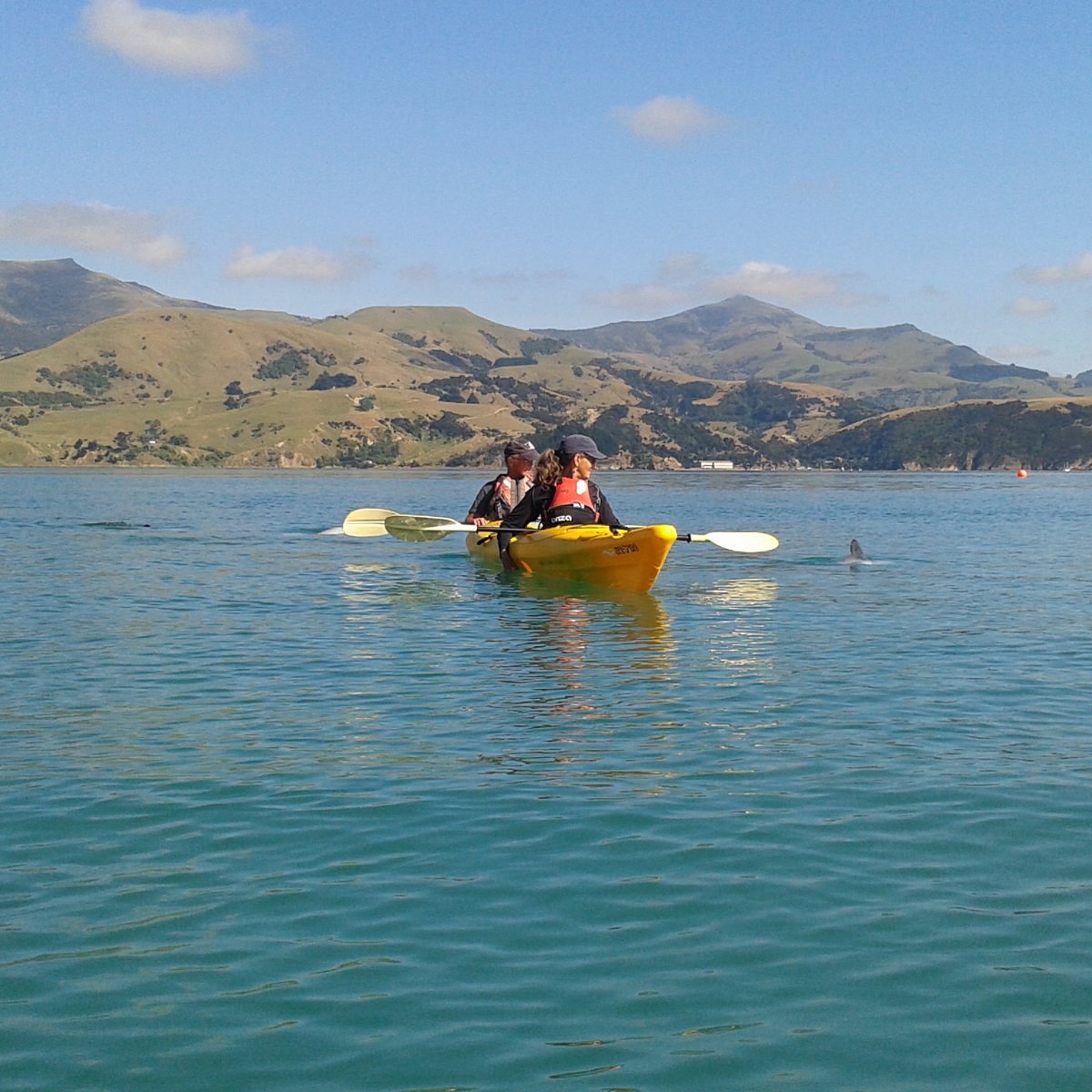
The waters at the entrance to the Akaroa volcanic crater drop off rapidly, creating a nutrient-rich upwelling that supports a highly distinct marine ecosystem. Initiating any akaroa marine reserve kayaking expedition means launching into the flooded caldera of an extinct volcano. This deep-water environment on the edge of the Pacific Ocean is strictly protected by the Department of Conservation to shield endemic species from commercial fishing and habitat destruction. Rather than paddling a standard sandy coastline, visitors navigate sheer basalt cliffs, sea stacks, and deep coastal caves carved over millennia by relentless Southern Ocean swells. The complex underwater topography fosters dense macrocystis kelp forests that act as vital nurseries for native fish and invertebrates, forming the foundation of the local food web. While Banks Peninsula sea kayaking often centers on the dramatic geological scenery, the primary draw remains the endemic fauna inhabiting the sanctuary. The reserve serves as a critical refuge for Hector’s dolphins, distinguished by their rounded dorsal fins and recognized as one of the smallest and rarest marine cetaceans in the world. Because these animals are highly protected, maritime regulations require paddlers to maintain a steady course and allow the dolphins to approach the vessels on their own terms. Beyond cetaceans, the rocky outcrops and isolated coves near Flea Bay and Pohatu shelter breeding colonies of New Zealand fur seals and nesting sites for little blue penguins. Navigating these specific ecological zones requires a quiet approach and a low profile on the water to avoid disturbing resting seals or startling native seabirds taking flight. Successfully executing an Akaroa Harbour paddling excursion relies on recognizing the area's exposed geographic nature. The reserve sits squarely at the harbor entrance, meaning it takes the full brunt of changing weather systems sweeping up the eastern Canterbury coast. Water temperatures remain cold year-round, necessitating proper thermal protection and spray skirts even during the warmest summer months. Those organizing an independent akaroa marine reserve kayaking trip must monitor marine wind forecasts closely, as the prevailing southerlies can rapidly transform calm morning swells into steep, unmanageable chop. Many experienced locals opt to use closed-deck tandem sea kayaks designed specifically for open-ocean stability, ensuring they can safely cross the exposed stretches of water between the harbor's more sheltered inner bays.
“Initiating any expedition here means launching into the flooded caldera of an extinct volcano, where sheer basalt cliffs meet the Southern Ocean.”
The best arrival window for kayaking at Akaroa Marine Reserve is 09:00–17:00, as this period provides the necessary daylight and settled sea conditions for safe navigation. Planning your visit within these hours helps mitigate the risks associated with tide-influenced water movements.
Warm (18°C–22°C); stable conditions.
Longer daylight hours provide more flexibility for exploration. Winds are typically lighter in the morning.
Mild (14°C–19°C); variable winds.
Conditions remain favorable for water activities. These months often feature calmer sea states than mid-winter.
Cool (8°C–13°C); frequent swells.
Shorter days limit the safe window for kayaking. Frequent swells may affect accessibility and visibility.
Verdict: The optimal time to kayak is during the shoulder months of March, April, October, or November, arriving within the 09:00–17:00 window to ensure maximum safety and favorable sea conditions.
The Akaroa Marine Reserve is a public protected area managed by the Department of Conservation. Access to the reserve for recreational activities such as kayaking does not require an admission fee.
Verdict: Individuals pay 0 NZD for access to the reserve, though costs may apply for third-party kayak rentals or guided tour services.
The Akaroa Marine Reserve is located at the Akaroa Harbour Entrance on the Banks Peninsula. Accessing the area for kayaking requires traveling from the Akaroa township to designated launching points along the harbour.
State Highway 75 to Rue Balguerie, Akaroa
Depart from Akaroa Main Wharf
Ensure you verify local sea conditions before departing from the township. Parking is available near the Akaroa wharf area, though space can be limited during peak visitation periods.
The Akaroa Marine Reserve is a strictly protected area requiring careful navigation. Adherence to wildlife interaction rules and the no-take policy ensures the ecosystem remains undisturbed.
Preparing for a kayak trip to the Akaroa Marine Reserve requires strict attention to marine safety and weather conditions.
Everything you need to know about akaroa marine reserve kayaking
There is no entrance fee for akaroa marine reserve kayaking as the site is a public marine protected area. Access to the water is free for all visitors.
The best arrival window for your adventure is 09:00–17:00. These hours typically offer the most settled sea conditions and optimal daylight for exploring the coastline.
Visitors must respect the protected status of the area by not disturbing local wildlife or removing any marine life. Staying within designated zones helps maintain the ecological integrity of this Banks Peninsula landmark.
Families are welcome to explore the area, provided children are supervised and equipped with appropriate safety gear. Exploring the calm waters of the harbour makes for a suitable environment for younger paddlers with experienced guidance.
The area is situated at the Akaroa Harbour Entrance within the Banks Peninsula, New Zealand. This region is renowned for its volcanic landscape and diverse marine ecosystem.
Ensure you bring sun protection, hydration, and appropriate clothing for changing weather conditions. Being prepared for your Akaroa marine excursions ensures a comfortable experience while navigating the coastal environment.